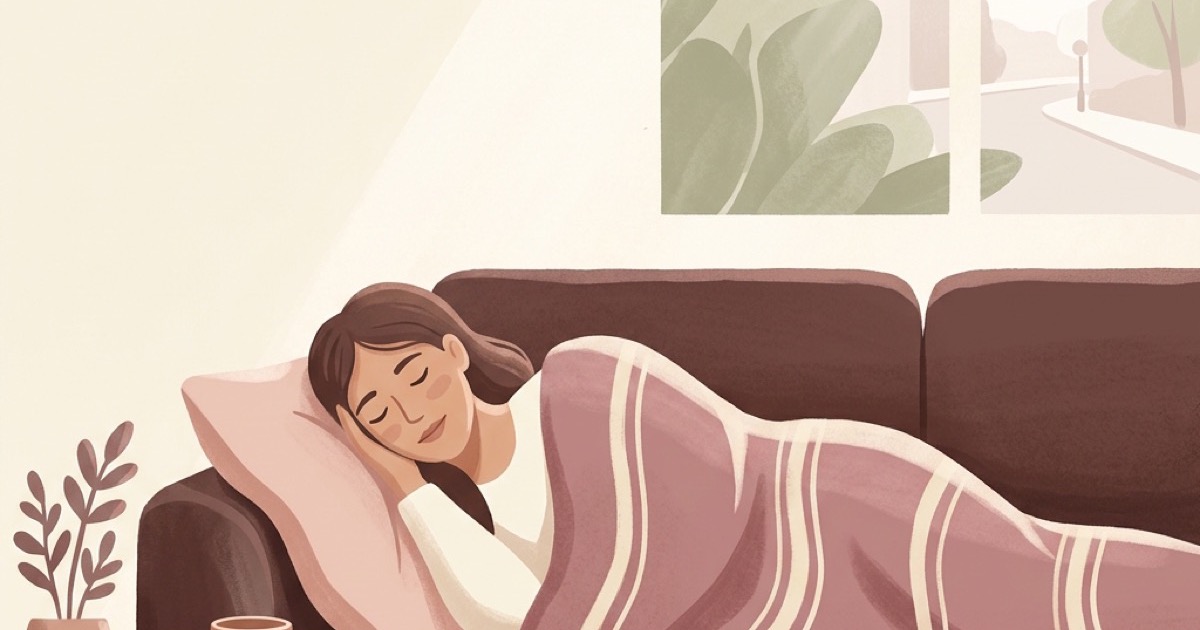
Fatigue is one of the most commonly reported symptoms of endometriosis — and one of the least often taken seriously. People with endo are told they are overdoing it, that tiredness is normal with periods, or that they simply need more sleep. What is rarely explained is why the exhaustion is so profound, or why it does not reliably respond to rest.
Endometriosis fatigue is not tiredness from a busy life. It is driven by measurable physiological mechanisms: chronic systemic inflammation, cytokine activity that directly suppresses energy metabolism, pain-disrupted sleep that prevents restoration, iron-deficiency anaemia from heavy bleeding, and the sustained mental and physical load of managing a poorly understood chronic illness. It is common, real, and under-discussed — and for many people, as limiting as the pain itself.
Key Takeaways
- Fatigue is one of the most prevalent symptoms of endometriosis, affecting the majority of people with the condition and often persisting beyond the menstrual phase
- The primary drivers are systemic inflammation and cytokine activity, chronic pain disrupting sleep, iron-deficiency anaemia from heavy periods, and the cumulative burden of a chronic illness on mental health
- Iron-deficiency anaemia from heavy menstrual bleeding is a treatable and often overlooked contributor — a GP can check ferritin and full blood count
- Sleep quality is as important as sleep quantity: pain that wakes or prevents deep sleep leaves the body physiologically under-rested even after many hours in bed
- Energy pacing — matching activity to genuine capacity rather than pushing through on good days — is one of the most practical management strategies for chronic fatigue
- Treating the underlying disease (reducing inflammation, controlling pain, addressing bleeding) tends to improve fatigue over time; it is not a separate problem to manage in isolation
Why Endometriosis Causes Fatigue: The Mechanisms
Chronic Systemic Inflammation
Endometriosis is an inflammatory disease. Active lesions produce and are sustained by elevated levels of pro-inflammatory cytokines — including interleukin-6 (IL-6), tumour necrosis factor-alpha (TNF-α), and interleukin-1β (IL-1β) — which are measurably elevated in the peritoneal fluid and systemic circulation of people with endo.
These same cytokines act on the brain and body to produce what researchers call “sickness behaviour” — a conserved biological response to inflammation that includes profound fatigue, reduced motivation, cognitive slowing, and low mood. This is the same mechanism that makes viral illness feel so debilitating: the body down-regulates energy expenditure as part of its inflammatory response.
In endometriosis, this inflammatory state is not acute and self-limiting — it is chronic and recurrent. The result is a persistent fatigue baseline that is not simply addressable by sleeping more, because the root cause is immune activation, not insufficient rest. Understanding this is important: it validates the experience of people who describe exhaustion that “sleep doesn’t fix.”
Disrupted Sleep from Chronic Pain
Chronic pelvic pain — particularly the dysmenorrhoea, deep dyspareunia, and non-menstrual pelvic pain common in endometriosis — severely disrupts sleep architecture. Pain activates the sympathetic nervous system, preventing the deep restorative stages of sleep (slow-wave sleep and REM) in which cellular repair, memory consolidation, and immune regulation occur.
Even when people with chronic pain achieve long hours in bed, the sleep quality is poor. Research in chronic pain populations consistently shows reduced slow-wave sleep, increased night-time arousals, and fragmented sleep that leaves the person physiologically unrestored. The consequence is a fatigue that accumulates over time and is not reversed by additional hours in bed — because the problem is sleep quality, not sleep quantity.
During endometriosis flares this is often at its worst: severe pain prevents falling asleep, causes multiple night-time wakings, and can make any position uncomfortable. The days following a flare frequently involve not just pain recovery but the added burden of accumulated sleep debt.
Anaemia from Heavy Menstrual Bleeding
Heavy menstrual bleeding (menorrhagia) is common in endometriosis, particularly when lesions affect the uterine environment or when adenomyosis — uterine wall involvement — coexists. Chronic heavy periods deplete iron stores over time, leading to iron-deficiency anaemia.
Anaemia reduces the haemoglobin available to carry oxygen to muscles and tissues. The consequences include:
- Persistent physical fatigue — muscles tire more easily with reduced oxygen supply
- Breathlessness on moderate exertion — climbing stairs, walking uphill, or hurrying becomes disproportionately tiring
- Difficulty concentrating — often called “brain fog,” driven by reduced oxygen to neural tissue
- Palpitations and light-headedness — particularly when standing up quickly
Iron-deficiency anaemia is treatable. A GP can check a full blood count and ferritin level — ferritin (stored iron) is the most sensitive marker and can be depleted before haemoglobin falls. If confirmed, iron supplementation and, where appropriate, management of the underlying heavy bleeding can produce meaningful improvements in energy within weeks to months.
If you have endometriosis with heavy periods and significant fatigue, asking your GP to check ferritin is one of the most practical first steps. Thyroid dysfunction — which can coexist with autoimmune conditions and produce very similar fatigue — is also worth ruling out at the same time.
The Immune and Cytokine Response
Beyond general inflammatory markers, endometriosis is associated with specific immune dysregulation — natural killer cell dysfunction, altered macrophage activity, and a peritoneal immune environment that favours lesion survival over clearance. This ongoing immune activation has direct energetic costs.
The immune system is metabolically expensive. Sustained immune activation diverts energy away from normal tissue function and towards the inflammatory response, leaving less available for daily activities. Research in other chronic inflammatory conditions — rheumatoid arthritis, inflammatory bowel disease — demonstrates that inflammatory burden correlates directly with fatigue severity, independent of pain levels. There is growing evidence that the same relationship holds in endometriosis.
This is why fatigue in endo does not always track directly with pain: on days when pain is moderate, fatigue may still be severe, because the immune activation driving fatigue is not identical to the pain signalling driving acute pain.
The Mental Health Load
Living with undiagnosed or undertreated endometriosis — often for years — carries a significant psychological burden. Anxiety, depression, and the cognitive load of managing a chronic illness are prevalent in people with endo. The mental health impact of endometriosis is well-documented and directly compounds physical fatigue.
Anxiety and hypervigilance — the constant monitoring of symptoms, anticipating flares, managing uncertainty about pain levels — maintain the body in a state of low-level stress arousal that is itself fatiguing. Depression, which is more prevalent in people with chronic pain, reduces motivation and worsens the subjective experience of fatigue even when physical drivers are stable. Grief and frustration — over cancelled plans, career impact, relationships affected by illness — contribute to emotional exhaustion that is indistinguishable from physical tiredness.
This is not a suggestion that fatigue in endo is “psychological.” It is a recognition that psychological and physical fatigue share biological mechanisms, and that addressing both is necessary for meaningful improvement.
Practical Management of Endometriosis Fatigue
Energy Pacing
Pacing is the most evidence-based behavioural strategy for chronic fatigue in inflammatory conditions. The core principle is matching activity levels to actual available energy, rather than pushing through on good days and crashing afterwards.
The boom-and-bust pattern is common: a relatively good day leads to over-activity (catching up on everything that accumulated during bad days), which triggers a severe fatigue crash the following day. Over time this cycle worsens rather than improves overall function.
Practical pacing involves:
- Identifying a baseline — the activity level sustainable across both good and bad days without crash
- Staying below 70–80% of maximum capacity on good days, to build tolerance rather than deplete reserves
- Planned rest integrated into the day, rather than rest only after exhaustion
- Protecting sleep as a non-negotiable priority, not something to sacrifice for productivity
Pacing is not the same as doing less permanently. It is a method of building sustainable capacity by avoiding the repeated crashes that prevent recovery.
Improving Sleep Quality
Addressing sleep in endometriosis means addressing pain at night first. Pain management strategies applied in the evening — heat therapy, appropriate analgesia, a comfortable sleeping position with supportive pillows — can meaningfully reduce pain-driven sleep disruption.
Beyond pain management:
- Consistent sleep and wake times anchor the circadian rhythm, which is dysregulated in chronic pain conditions
- Cool, dark sleeping environment supports sleep onset and maintenance
- Limiting screens before bed reduces blue-light suppression of melatonin, which is already disrupted in some people with chronic pain
- Avoiding alcohol — commonly used to fall asleep, but alcohol fragments sleep architecture and worsens sleep quality overall
For people with significant insomnia driven by pain, a GP or pain specialist can discuss short-term pharmacological support. Cognitive behavioural therapy for insomnia (CBT-I) has the strongest long-term evidence for chronic insomnia in general populations and is increasingly available digitally.
Iron and Nutrition
If iron-deficiency anaemia is confirmed, supplementation under medical guidance is the treatment. Oral iron supplements are effective but can cause gastrointestinal side effects — taking them with food, using a gentler formulation, or taking them every other day (which some evidence suggests is as effective with fewer side effects) can improve tolerability.
Dietary support for iron levels includes:
- Haem iron (from red meat, poultry, fish) — well-absorbed
- Non-haem iron (from legumes, leafy greens, fortified cereals) — less well absorbed but improved by taking with vitamin C
- Avoiding tea and coffee with iron-rich meals — tannins and polyphenols inhibit non-haem iron absorption
The endometriosis diet — broadly anti-inflammatory, rich in vegetables, fish, and whole grains — also supports energy metabolism by reducing the dietary component of systemic inflammation.
Treating Pain and Inflammation
Because fatigue and pain are mechanistically linked, effective pain management improves fatigue. This is most evident with effective hormonal management that reduces the inflammatory menstrual cycle: many people report substantial improvement in fatigue when hormonal suppression reduces the severity of menstruation.
Surgical excision of lesions, where appropriate, reduces the inflammatory burden of active disease and often improves fatigue over the months following recovery. This is not immediate — surgical recovery itself causes short-term fatigue — but longer-term reduction in disease activity translates into improved energy for many people.
Gentle Exercise
The instinct during profound fatigue is to rest completely. This is appropriate during severe flares. But complete, sustained inactivity in the longer term worsens fatigue by reducing cardiovascular fitness, disrupting circadian rhythm, and increasing sedentary-pattern inflammation.
Gentle movement — short walks, light yoga, swimming — at a level that is manageable without post-exertion crash, supports energy metabolism and helps regulate sleep. The key is graded, sustainable activity rather than pushing through exhaustion. See our full guide on exercise with endometriosis for how to match activity to cycle phase and symptom level.
Tracking Fatigue with EndoTracking
Fatigue is subjective and variable, which makes it hard to communicate and hard to connect to other symptoms. Tracking daily energy levels alongside pain scores, sleep quality, cycle phase, and food can reveal patterns that are not apparent from memory — such as whether fatigue reliably spikes in the luteal phase, correlates with particular foods, or follows poor sleep rather than preceding it.
EndoTracking allows you to log energy and fatigue as daily data points alongside pain and cycle data, building a record over time that is more meaningful than impressionistic recall. This kind of log is also practically useful in clinical appointments: showing a doctor a three-month pattern of fatigue clustering around menstruation, alongside heavy bleeding scores, makes the case for investigating anaemia and adjusting management far more effectively than describing how tired you have been feeling.
For a broader overview of what to track and why, see our guide to endometriosis symptom tracking.
EndoTracking is a personal health tracking app and does not provide medical advice. If you are experiencing significant fatigue alongside endometriosis symptoms, speak to your GP — investigation for iron-deficiency anaemia, thyroid dysfunction, and optimisation of endo management can all contribute to meaningful improvement in energy.