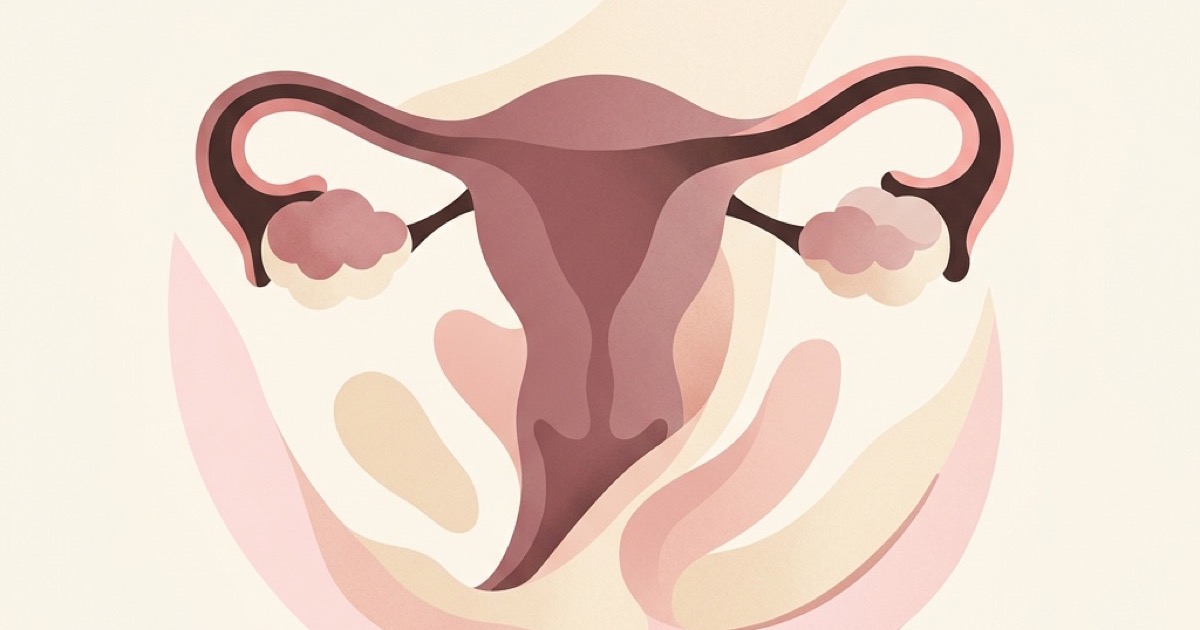
Endometriosis is a chronic disease in which tissue similar to the lining of the uterus grows outside the uterus. The World Health Organization estimates that it affects 10% of women and girls of reproductive age worldwide.
It can affect people differently. Some have severe pain and disruption; others have fewer symptoms. Symptoms can overlap with other conditions, so an article, checklist, quiz, or app cannot tell you whether endometriosis is the cause.
Key points
- Common symptoms include severe period pain, chronic pelvic pain, pain during or after sex, painful bowel movements or urination, heavy bleeding, fatigue, bloating, and difficulty becoming pregnant.
- The amount of pain does not reliably match a surgical stage.
- In the UK, NICE guidance says a normal pelvic examination or ultrasound does not exclude endometriosis.
- A dated symptom history can help you remember timing and daily impact, but it is not clinical evidence or a diagnosis.
- Do not delay an appointment just to collect more data.
What endometriosis can feel like
The NHS overview of endometriosis lists symptoms including:
- severe period pain that affects normal activities
- pain in the lower abdomen or back
- pain during or after sex
- pain when passing urine or stool during a period
- heavy periods
- fatigue
- difficulty becoming pregnant
Not everyone has every symptom. Symptoms may also vary over time. If pain, bleeding, bowel or bladder changes, fatigue, or other symptoms are affecting daily life, speak with a healthcare professional.
What the four stages mean
A commonly used surgical classification describes four stages:
- Stage I — minimal
- Stage II — mild
- Stage III — moderate
- Stage IV — severe
The classification is based on surgical findings such as the location and extent of lesions, endometriomas, and adhesions. It is not a pain scale. Someone with Stage I disease can have severe symptoms, while someone with more extensive findings may report less pain.
Staging is only one part of care. Symptoms, priorities, fertility plans, previous treatment, examination, imaging, and specialist assessment can all matter.
How diagnosis works in the UK
The current NICE pathway is not “wait until surgery proves it.” It recommends that investigation, referral when needed, and initial treatment can happen in parallel.
NICE recommends a transvaginal ultrasound for people with suspected endometriosis, even when the abdominal or pelvic examination is normal. If that scan is declined or not suitable, a transabdominal pelvic ultrasound may be considered.
A normal examination or ultrasound does not rule endometriosis out. Depending on symptoms and suspected disease, the pathway may include:
- assessment in general practice
- pelvic ultrasound
- referral to gynaecology or a specialist endometriosis service
- specialist ultrasound or pelvic MRI for suspected deep disease
- consideration of diagnostic laparoscopy
Only a qualified healthcare professional can assess which steps are appropriate. If initial treatment is not effective or tolerated, symptoms persist or recur, or symptoms are substantially affecting daily activities, NICE includes referral criteria that may apply.
What a symptom diary can and cannot do
A diary can help you remember:
- when pain or other symptoms occurred
- severity and body location as you experienced them
- bleeding and cycle dates you entered
- bowel, bladder, sleep, fatigue, and activity impact
- medicines taken and your own notes about response
- work, school, caring, sleep, or exercise affected
That can make it easier to explain a history during a short appointment. It does not:
- diagnose endometriosis or another condition
- prove that two entries are causally related
- determine whether a medicine is effective
- interpret imaging or laboratory results
- recommend treatment or replace clinical care
- guarantee a referral, test, or faster diagnosis
EndoTracking stores a personal log and can turn selected entries into a structured PDF with optional Premium. The report reflects what you entered; it is not a medical record or clinical finding.
Preparing for an appointment
Bring what you already have. Useful details can include:
- your main concern and how it affects daily life
- when symptoms started and whether timing relates to your period
- a short list of the most disruptive symptoms
- medicines or treatments tried and what you noticed
- prior scans, procedures, or reports if available
- questions you want answered
Our endometriosis appointment checklist offers a short structure. If you use an app or paper diary, a few clear examples may be more useful than a large unedited export.
Do not postpone care to reach a minimum number of tracked days. If symptoms are severe, rapidly worsening, or feel urgent, seek appropriate medical help now.
Track your history without turning it into a diagnosis
EndoTracking is a free iPhone app for recording endo-related symptoms, pain locations, cycle context, and medicines. Free users can preview a summary made from their real logs; optional Premium unlocks PDF creation and sharing.
Turn symptoms into a record you can use.
Log pain, cycle changes, medication response, and triggers in one endometriosis-specific tracker.
Start tracking on iPhoneiPhone · iOS 17+ · Core tracking is free; premium insights are optional
See the endometriosis symptom tracker app →Frequently asked questions
What is endometriosis?
Endometriosis is a chronic disease in which tissue similar to the lining of the uterus grows outside the uterus. It may cause pain, bleeding, bowel or bladder symptoms, fatigue, bloating, and fertility problems.
How is endometriosis diagnosed?
Diagnosis is a clinical process, not a single app result. NICE recommends assessment and ultrasound for suspected endometriosis, while recognising that a normal examination or scan does not exclude it. Specialist imaging or laparoscopy may be considered depending on the situation.
Does symptom tracking improve diagnosis?
A dated history can help a person describe symptoms and impact. There is no promise that an app report will change a diagnosis, referral, test, or treatment decision.
Should I track for several weeks before booking an appointment?
No. Use whatever history you already have and do not delay care to collect more entries.
Last source-reviewed against WHO, NHS, and NICE public guidance on 12 September 2026. This content has not been reviewed by a clinician. EndoTracking is a personal health tracking app, not a medical device, and does not provide diagnosis or medical advice.